
Scrambled Word Solver: Beat Any Puzzle Instantly
Table of Contents
You’re holding a newspaper, an app, or your kid’s homework worksheet, and the same six letters have been staring back at you for five minutes. You know a word is hiding in there. You just can’t see it. That’s exactly the moment a scrambled word solver earns its keep: type in the jumbled letters, and it hands you every real word those letters can make.
This isn’t about scrambled word solver tiles or tournament strategy; plenty of other guides cover that ground already. This one is about the scrambled-letter puzzles you run into every single day: the Jumble in your local paper, the daily word scramble app on your phone, the worksheet your kid brought home from school. Here’s how to actually solve them, and how a solver tool fits into that without turning the puzzle into a chore.
What Is a Scrambled Word Solver, Exactly?
A scrambled word solver takes a jumbled string of letters and rearranges them into every valid word it can find. Type in “TSENIL” and it hands you listen, silent, enlist, and a handful of shorter words too, all pulled from a dictionary so you know each one is real.
It’s different from a generator that builds words from scratch. You already have the letters. You’re just missing the order. The solver’s job is to find every arrangement that actually means something.
Most solvers let you set a few extra rules once you paste in your letters:
- Fix a known letter in a specific position (great when a puzzle gives you a starting letter)
- Set a minimum or maximum word length
- Search for anagrams of the full set, not just shorter words hiding inside it
Those small controls matter more than they sound like they would. A jumble puzzle that gives you seven letters and asks for the one seven-letter answer is a very different task from a worksheet that just wants any three valid words.
Everyday Places You’ll Run Into a Scrambled Word Solver Puzzle
Scrambled letters show up far more often than most people realize once you start noticing them.

Newspaper and App-Based Jumbles
The classic syndicated word jumble, the kind that’s been running in newspapers for decades, gives you several short scrambled words plus one final scrambled word solver that uses circled letters from the others. Millions of people solve these daily, either in print or through a jumble app, and getting stuck on just one word can hold up the whole puzzle.
Daily Scrambled Word Solver Apps and Websites
Beyond the classic jumble format, plenty of standalone apps generate a fresh scrambled word every day, often themed around a category like animals, food, or geography. These are quick, bite-sized brain exercises, and a solver is handy when you want to check your answer or get unstuck without giving up on the streak you’ve been building.
Classroom and Homework Worksheets
Teachers hand out scrambled-letter worksheets constantly, especially in elementary grades, as a low-pressure way to reinforce spelling and vocabulary. If you’re a parent trying to help with homework and you don’t immediately see the word either, a solver lets you check the answer without just handing your kid the solution outright; you can work backward from the answer to explain why it works.
Party Games and Icebreakers
Scrambled word games are a staple at trivia nights, team-building events, and family game nights. Having a way to double-check a contested answer keeps the game moving instead of dissolving into an argument about whether “GRODNA” is actually a word (it is: dragon).
Language Learning Practice
People learning English as a second language often use scrambled-word exercises to reinforce new vocabulary. Unscrambling reinforces spelling patterns in a way that’s more active than simply reading a word list, and a solver helps confirm you’ve got it right.
How to Actually Get Better at Unscrambling, Not Just Rely on a Tool
A solver is genuinely useful, but the goal for most people isn’t just getting an answer; it’s getting faster at spotting words yourself. These habits help.
Sort Vowels from Consonants First
Split your letters into two groups the moment you sit down with a puzzle. English words follow fairly predictable vowel-consonant rhythms, and separating them makes patterns jump out faster than staring at one random string.
Look for Common Letter Pairs
Certain letter combinations show up constantly in English: th, ch, sh, qu, ing, tion. If you spot two of these letters sitting next to each other in your scramble, mentally lock them together and build outward from there.
Start With the Shortest Possible Word
Instead of trying to use every letter at once, hunt for a three- or four-letter word first. Finding “CAT” hiding inside a longer scramble often reveals the rest of the word once you see what letters are left over.
Say the Letters Out Loud
This sounds unnecessary until you try it. Speaking scrambled letters aloud, especially in different orders, engages a different part of your brain than silently staring at them, and it surfaces words your eyes keep skipping past.
Use the Solver to Learn, Not Just to Finish
Here’s the habit that actually improves your puzzle-solving over time: when you check an answer with a solver, don’t just move on. Look at why that word works, which letter pairs you missed, which pattern you didn’t try. That’s what turns “getting the answer” into “getting better.”
Quick Checklist Before You Give Up
- Separate vowels from consonants on paper or in your head
- Look for one common pair: th, ch, sh, qu, or ing
- Try the shortest word you can find first
- Say the letters out loud in two or three different orders
A Worked Example
Let’s say a puzzle hands you the scrambled letters “RAEDER.” Here’s how the process looks from start to finish.
- Split vowels and consonants: A and E (twice) are your vowels; R (twice) and D are your consonants.
- Notice the repeats: two R’s and two E’s are an unusual pattern worth building around, since it rules out a lot of short, common words right away.
- Try a shorter word first: “READ” jumps out fast, using R, E, A, D.
- Look at what’s left over: E and R, which happen to be exactly the letters that would extend “read” into something longer.
- Put it together: READER, using every letter exactly once.
That one came together quickly once you spotted the repeated letters and worked outward from a short, familiar word. Not every scramble resolves that fast, and that’s exactly when a solver earns its place: paste in the same six letters, and it confirms READER instantly, along with any shorter words hiding in the same set, like “DARE,” “READ,” or “EAR.”
Why Bother Solving These at All?
It’s fair to ask why a jumbled six-letter word deserves five minutes of your morning. A few honest reasons keep people coming back to scrambled word puzzles day after day.
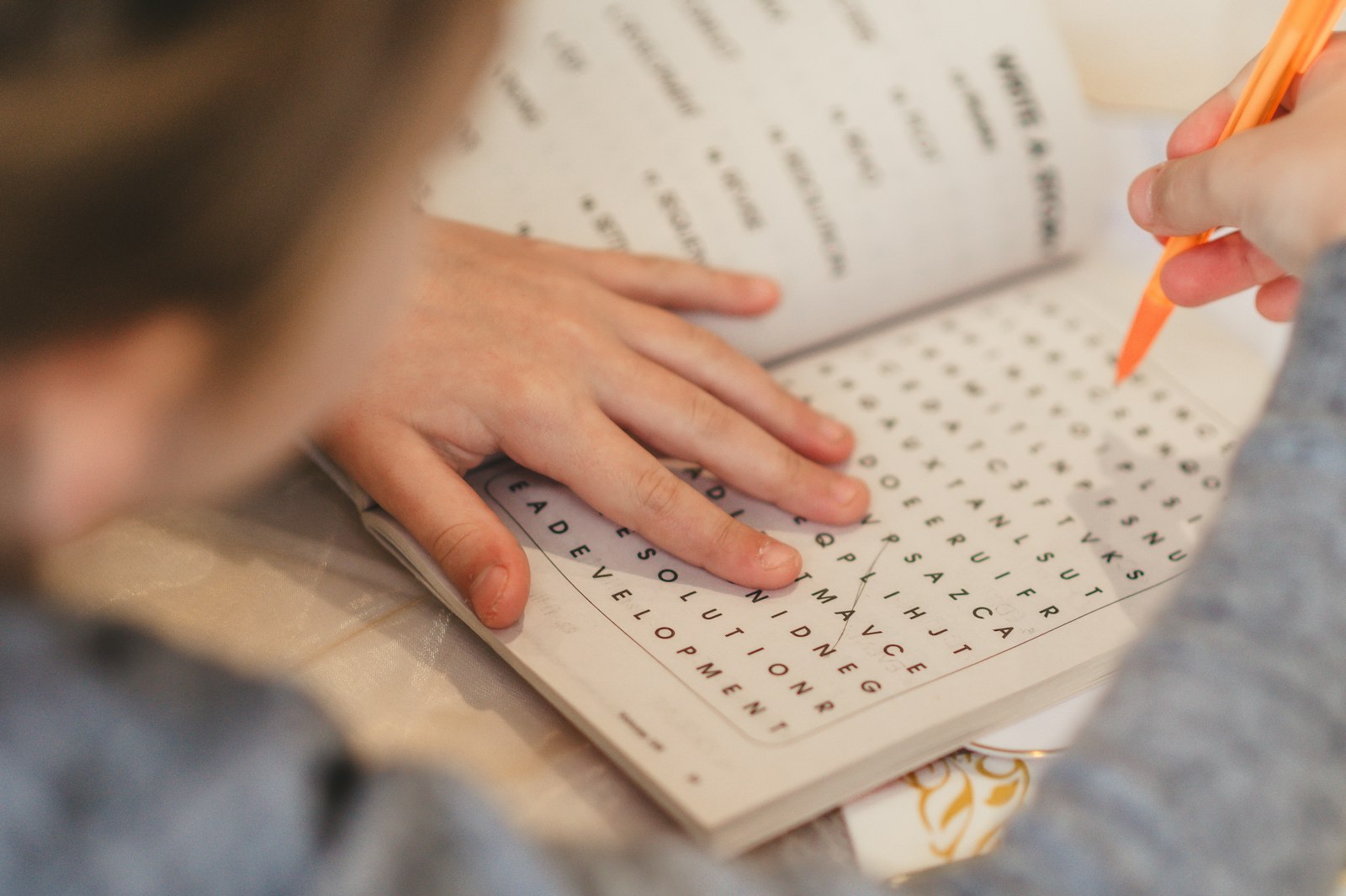
It’s a genuine mental warm-up. Rearranging letters engages pattern recognition and working memory in a light, low-stakes way, the kind of quick mental exercise people build into a morning coffee routine or a commute.
It builds real vocabulary, not just puzzle skill. Every scramble you solve reinforces spelling patterns and introduces words you might not use in daily conversation: epaulet, quorum, jocund. That sticks with you well beyond the puzzle itself.
It’s a shared ritual. Plenty of households and workplaces have someone who does the daily jumble together over lunch or compares streaks with coworkers. The social layer is a real part of why these puzzles have stuck around for decades in print and moved so easily into apps.
It doesn’t demand much time. Unlike a crossword that can eat an hour, most scrambled word puzzles take two to five minutes, which makes them an easy habit to keep rather than a chore to schedule around.
None of that requires you to solve every puzzle unaided. Using a solver when you’re stuck doesn’t cancel out the benefit; it keeps the habit enjoyable instead of frustrating, which is usually the difference between sticking with a daily puzzle and quietly giving up on it after a bad week.
Solver vs. Anagram Tool: What’s the Difference?
These two get lumped together constantly, and the line between them is worth knowing.
A scrambled word solver is typically built around solving one jumbled word or a small set of them, often with a puzzle-specific angle, like fixing a letter in place because a puzzle told you it belongs there. An anagram tool takes a full set of letters and finds every possible rearrangement, including multi-word phrases in some cases, which is a broader and sometimes more open-ended search.
In practice, plenty of tools do both jobs at once. What matters is knowing which mode you need: solving a specific daily puzzle usually calls for the more targeted solver approach, while playing around with a name or phrase for fun calls for a full anagram search.
Try WordWizy’s Word Unscrambler
WordWizy’s Word Unscrambler is built exactly for this: paste in your jumbled letters, set a length if you know one, and get every valid word instantly, sorted and dictionary-checked. It’s free, works on any device, and doesn’t require an account.
If you’re playing a tile-based game like Scrabble or Wordfeud and want board-specific strategy rather than a daily puzzle fix, our in-depth guide to the word scramble unscrambler covers tile scoring, blank letters, and competitive tactics in detail. And if you’re starting from a blank page instead of a jumble, our Smart Word Generator builds real words from scratch using the filters you choose.
Common Mistakes That Slow People Down
Trying to use every letter immediately. Not every puzzle wants a word that uses all your letters. Look for short valid words first; they’re often the fastest path to spotting the full answer.
Ignoring the puzzle’s own hints. Circled letters, given starting letters, or category themes (“this scramble is an animal”) are there to narrow your search. Use them.
Second-guessing real but uncommon words. Plenty of valid answers feel obscure the first time you see them. If a solver confirms it’s real, trust it, even if you’ve never used the word in conversation.
Giving up too fast. Scrambles that feel impossible after thirty seconds often crack wide open after a minute of actually separating vowels and consonants. Persistence, plus the right technique, beats staring blankly almost every time.
Frequently Asked Questions
What is a scrambled word solver?
It’s a tool that takes a jumbled string of letters and returns every valid, dictionary-checked word those letters can form, often with options to fix a letter’s position or set a target length.
Is using a scrambled word solver considered cheating?
For casual daily puzzles and homework help, no; most people use it to check answers, get unstuck, or learn new words. For competitive, timed events, check the specific rules, since some formal contests do restrict outside tools.
Can a scrambled word solver handle a full sentence or phrase?
Most solvers are built for single scrambled words. If you’re working with a scrambled phrase, an anagram tool designed for multi-word searches is usually the better fit.
Does a scrambled word solver work for kids’ homework worksheets?
Yes, it’s a common use case. Parents use it to verify an answer before helping a child work backward to understand the spelling pattern, rather than simply handing over the solution.
What’s the difference between a scrambled word solver and a word generator?
A solver starts with letters you already have and finds the words hiding inside them. A generator starts from filters you choose, like length or starting letter, and builds real words from scratch, no starting letters required.
Stop Staring, Start Solving
The next time a scrambled word puzzle has you stuck, you don’t have to sit there rearranging the same six letters in your head. Separate your vowels and consonants, look for common pairs, and when you’re still stuck, let a scrambled word solver do the rest. Try WordWizy’s Word Unscrambler now and get back to enjoying the puzzle instead of fighting it.