

Vocabulary Building: Discover Better Words
Table of Contents
A strong vocabulary is one of the most valuable and most underrated skills a person can build. It sharpens communication, improves reading comprehension, and gives you a genuine edge in word games, standardized tests, and everyday writing. The good news is that building vocabulary does not require years of dedicated study; it just requires consistent, intentional practice.
Why Vocabulary Building Matters
Every word you learn is a small tool added to your mental toolbox, giving you a more precise way to express an idea or understand what someone else is communicating. Studies on reading comprehension consistently show that vocabulary size is one of the strongest predictors of how well someone understands complex text, whether that is a novel, a legal document, or a technical manual.
Practical Ways to Expand Your Vocabulary
- Read widely and across genres, since different types of writing expose you to different vocabulary domains.
- Keep a running list of unfamiliar words you encounter, along with their definitions and a sentence using them.
- Use word games and puzzle tools regularly, since they naturally surface less common words in a low-pressure context.t
- Practice using new words in conversation or writing soon after learning them, since active use cements memory far better than passive recognition
The Role of Word Games in Vocabulary Growth
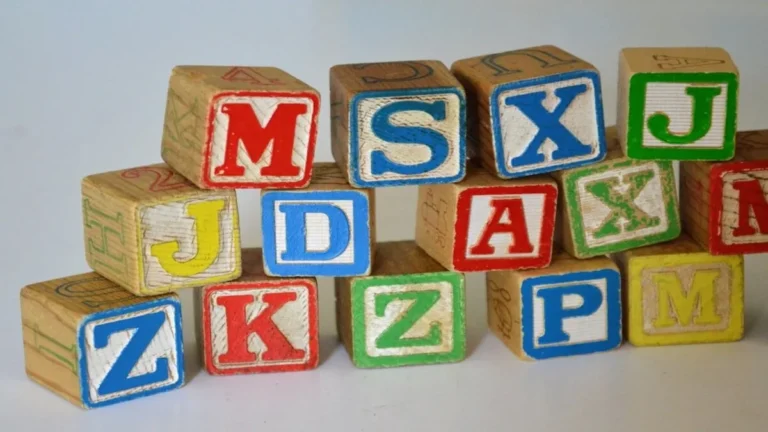
Games like Scrabble, Wordfeud, and daily word puzzles are secretly excellent vocabulary teachers. Because these games reward you for knowing obscure short words, especiallytwo-o and three-letter words packed with rare letters, regular players naturally absorb vocabulary that rarely comes up in everyday reading. Many competitive players report learning hundreds of new words simply through repeated exposure during gameplay.
Using Word Tools as Learning Aids
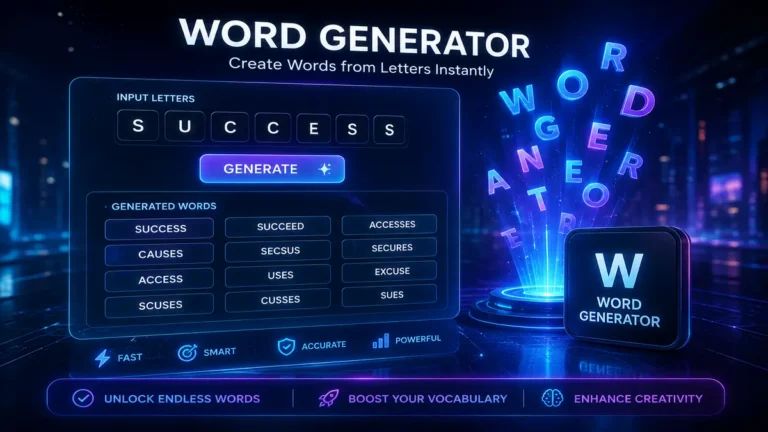
Word finders, anagram solvers, and unscramblers are often thought of purely as gameplay tools, but they double as genuinely effective vocabulary builders when used intentionally. Instead of just grabbing the highest-scoring word list, take a moment to read through unfamiliar entries and look up their meanings. This turns every game session into a small vocabulary lesson. If you would rather explore vocabulary without starting from your own letters, WordWizy’s word tool lets you browse words by theme, complete with definitions built in.

Building Vocabulary for Specific Goals
Vocabulary building looks different depending on your goal. Someone preparing for a standardized test like the SAT or GRE benefits from studying word roots, prefixes, and suffixes systematically, since many test words share common Latin or Greek origins. A writer looking to diversify their prose benefits more from reading broadly across genres and noting stylistic word choices. A word game enthusiast benefits most from drilling short, high-value letter combinations that come up frequently in gameplay.
Making Vocabulary Practice a Habit
The single biggest factor in successful vocabulary building is consistency over intensity. Spending ten focused minutes a day exploring new words through reading, games, or targeted study will outperform an occasional multi-hour cramming session almost every time, because spaced repetition is how the brain actually consolidates new information into long-term memory.
Final Thoughts
Whether your goal is acing an exam, writing more precisely, or simply winning more word games, building vocabulary is a skill that compounds over time. Use the tools above to explore new words regularly, and watch your vocabulary grow almost without noticing the effort.
Vocabulary Building Through Etymology
Understanding where words come from, their etymology, is one of the most powerful shortcuts to building vocabulary efficiently. Once you recognize that the prefix bio relates to life, or that the suffix ology signals the study of something, you can often infer the meaning of entirely unfamiliar words the first time you encounter them, rather than needing to memorize each one individually as an isolated fact.

Age-Appropriate Vocabulary Building for Children
Building vocabulary in children benefits from a different approach than adult learning, since young learners respond particularly well to playful, repetitive exposure rather than formal study. Reading aloud together, playing simple word games, and celebrating curiosity about new words, rather than correcting mistakes too quickly, tend to produce stronger long-term vocabulary growth than structured drilling, especially in the early years before formal reading instruction begins in earnest.
Vocabulary Building for Non-Native Speakers
Learners studying English or any other language as a second language benefit enormously from vocabulary building strategies that pair new words with vivid context rather than isolated translation. Word games in particular offer a low-pressure way for language learners to encounter and practice vocabulary, since the game format naturally provides repeated exposure without feeling like a formal study session, making the learning process considerably more sustainable over the long term.
Tracking Your Vocabulary Growth Over Time
Keeping a simple record of new words learned, whether in a physical notebook or a note-taking app, gives you a tangible way to see progress that can otherwise feel invisible day to day. Reviewing this list periodically, perhaps monthly, and testing yourself on words logged several weeks earlier is a straightforward form of spaced repetition that significantly improves long-term retention compared to only encountering a word once and moving on.
Want to explore more? See our guide on Brain Training Games: Sharpen Your Mind and Anagram Solver: Unscramble Words Instantly. For further reading, check out Merriam-Webster Dictionary and the NASPA official word lists.
Frequently Asked Questions
What is the fastest way to build vocabulary?
Reading widely combined with actively looking up and using new words in context tends to build vocabulary faster than memorizing word lists alone.
Do word games help expand vocabulary?
Yes, word games expose you to new words and reinforce spelling and meaning through repeated play.
How many new words should I learn per week?
A manageable goal for most people is five to ten new words a week, with regular review to keep them in memory.




2 Comments
Comments are closed.