Word Puzzle Strategies: Powerful Ways to Win
Table of Contents
Word puzzle strategies come in many shapes, from crosswords and word searches to daily letter-scramble apps that have exploded in popularity in recent years. While each format has its own rules, the underlying skills that make someone good at solving them are surprisingly consistent. Understanding these core strategies can turn frustrating puzzles into satisfying, fast wins.
The Core Skill: Pattern Recognition
Every word puzzle, regardless of format, rewards the ability to spot patterns quickly. This might mean recognizing that a set of letters likely contains a common prefix like re or un, or noticing that a crossword clue with a question mark usually signals wordplay rather than a literal definition. Building this pattern recognition comes largely from repeated exposure, which is why frequent puzzle solvers tend to get faster over time even without formal study.
Word puzzle strategies for Letter-Scramble Puzzles
- Start by identifying all the vowels in your letter set, since they anchor most valid words
- Look for common two- and three-letter combinations you already recognize, then build outward from them
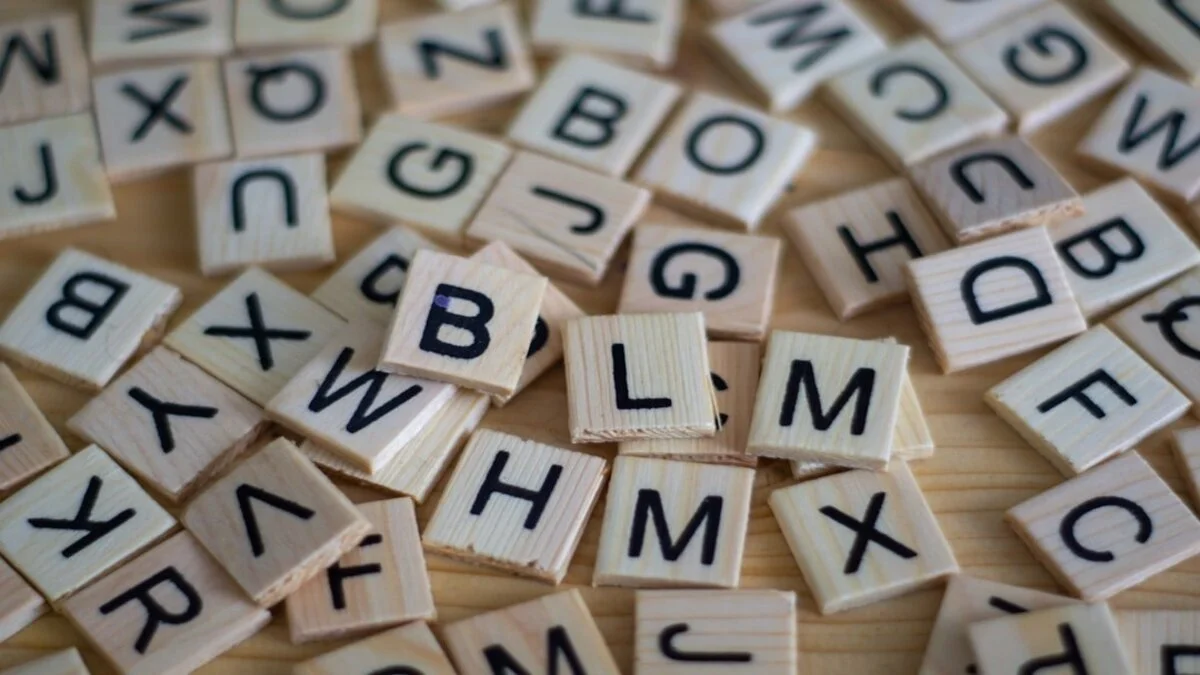
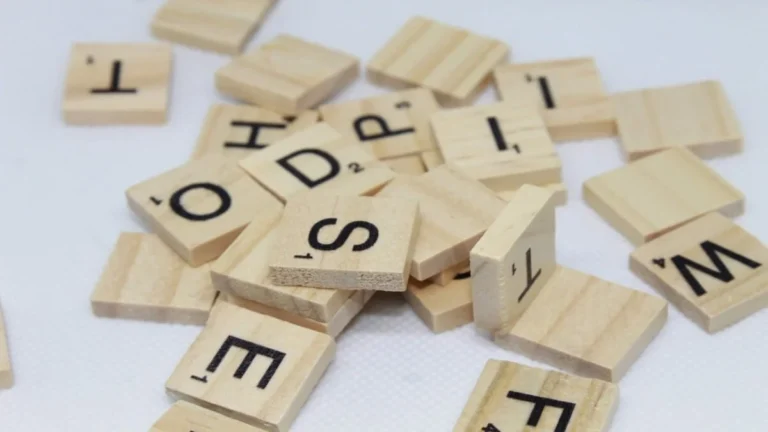
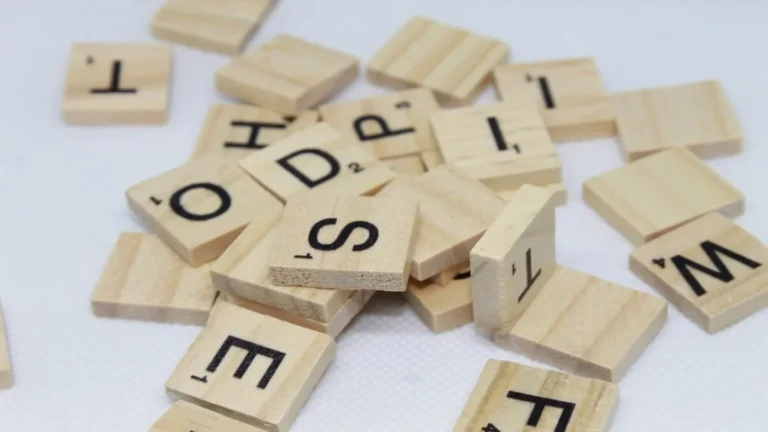
- Try rearranging letters physically, either on paper or by dragging tiles, rather than staring at a static jumble
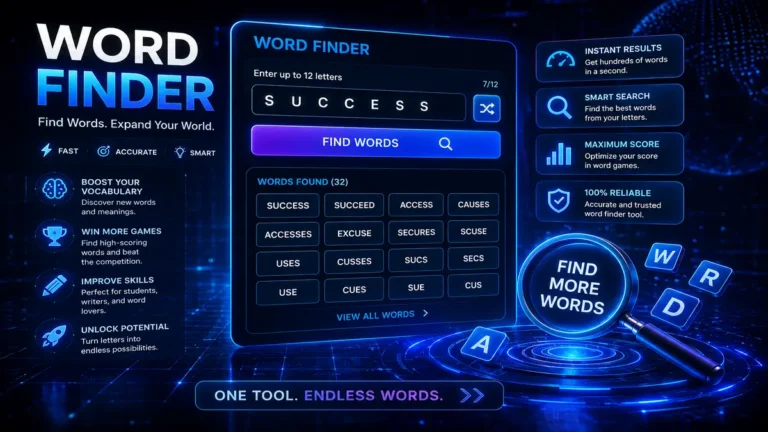
- Use a word finder tool to check your answer once you have a strong guess, turning misses into quick vocabulary lessons
Word puzzle strategies for Crossword Puzzles
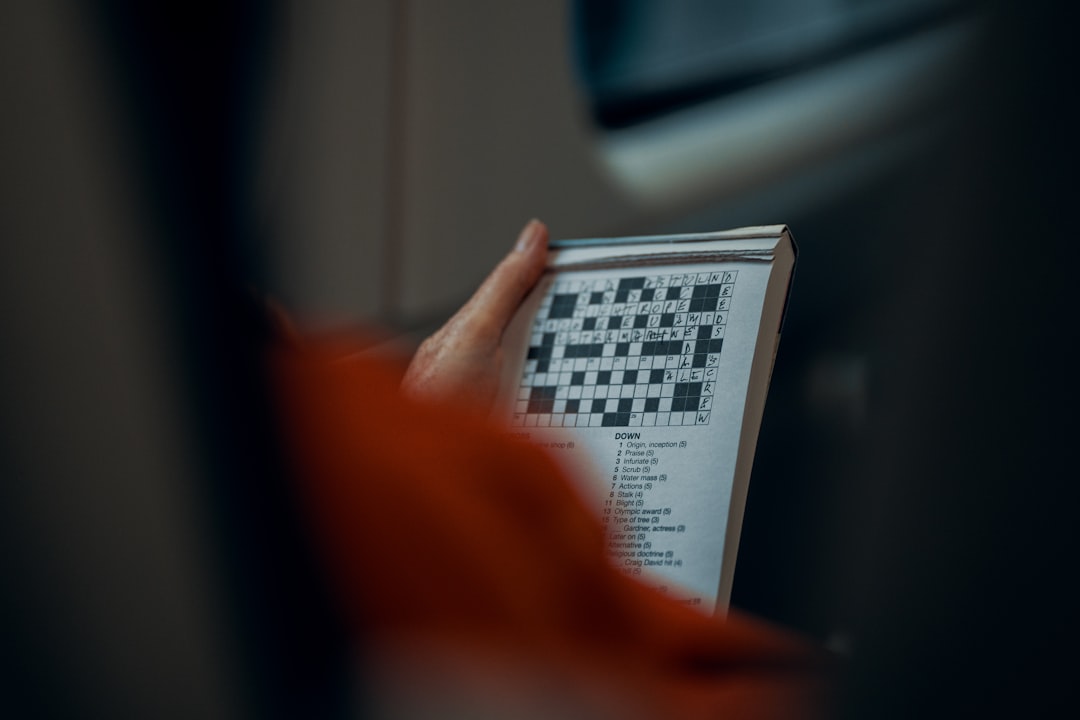
Crosswords reward a different kind of pattern thinking, since you are working with partial word constraints from intersecting answers rather than a full set of scrambled letters. Start with the clues you are most confident about, filling in those answers first to reveal letter constraints for the harder, more ambiguous clues nearby. Pay close attention to clue phrasing, since crossword constructors often use double meanings, abbreviations, or foreign words as deliberate misdirection.
Word puzzle strategies for Word Search Puzzles
Word searches test visual scanning more than vocabulary recall, since you already know the words you are looking for. Scan systematically in one direction at a time, horizontal rows first, then vertical columns, then diagonals, rather than randomly jumping around the grid. This methodical approach prevents you from missing words hidden in directions you have not yet checked.
Building Speed Over Time
Speed in word puzzle solving comes almost entirely from practice rather than any shortcut. The more puzzles you solve, the more common letter patterns, word roots, and clue conventions become instantly recognizable rather than requiring conscious analysis. Setting a personal timer and tracking your solve times over weeks is a simple, motivating way to see this improvement concretely.
When to Use a Digital Solving Tool
Digital word tools are most valuable as a learning aid rather than a first resort. Try solving manually under a time limit first, then use a tool to check your work or reveal an answer you genuinely could not find. This preserves the cognitive benefit of the puzzle while still letting you learn from every miss.
Final Thoughts
Whether you are drawn to crosswords, word searches, or letter-scramble apps, the strategies that make you faster and sharper overlap more than you might expect. Practice consistently, use tools to learn rather than to shortcut, and watch your solving speed improve puzzle after puzzle.
Building Mental Stamina for Longer Word Puzzle Strategies
Some word puzzles, particularly larger crosswords or extended puzzle collections, require sustained focus over a longer period than a quick mobile game session. Building the mental stamina for this kind of extended solving works similarly to building physical endurance, starting with shorter sessions and gradually increasing duration as your ability to maintain focused attention improves, rather than attempting a lengthy puzzle cold without any warm-up.
Learning From Word Puzzle Strategies You Cannot Solve
Every puzzle solver eventually encounters a clue or a letter combination they simply cannot crack, and how you handle that moment matters for long-term improvement. Rather than immediately reaching for an answer key, sitting with the difficulty for a few extra minutes and approaching it from a different angle often produces a breakthrough that reinforces the underlying pattern far more effectively than an instant answer would. When you do eventually check a tool or answer key, take a moment to understand why the correct answer works, rather than simply moving on.
Puzzle Difficulty Progression
Most puzzle formats, particularly crosswords, are explicitly graded by difficulty, often following a weekly progression from easier puzzles early in the week to significantly harder ones by the weekend. Deliberately working through this progression, rather than only attempting puzzles at a single difficulty level, provides a structured way to build skill incrementally while still experiencing regular, confidence-building wins from the easier puzzles in the rotation.
Group Puzzle Solving and Its Unique Benefits
Solving word puzzles as a group, whether with family over breakfast or with coworkers during a break, introduces a collaborative dynamic that solo solving lacks. Different people naturally notice different patterns or bring different vocabulary strengths to the table, and explaining your reasoning aloud to a puzzle partner often clarifies your own thinking in ways that silent, solitary solving does not.
Want to explore more? See our guide on Brain Training Games: Sharpen Your Mind and Letter Combination Tools: Unlock Possibilities. For further reading, check out Merriam-Webster Dictionary and the NASPA official word lists.
Frequently Asked Questions
What is the best strategy for solving word puzzles faster?
Scanning for common letter patterns and prefixes or suffixes first, rather than reading letter by letter, usually speeds up solving.
How can I improve at crossword puzzles?
Regular practice, building broad vocabulary, and learning common crossword conventions like abbreviations all help improve speed and accuracy.
Do word puzzles get easier with practice?
Yes, recognizing recurring patterns and word structures becomes faster the more puzzles you solve.
One Comment
Comments are closed.